Answers to Your Biggest Military to Civilian Transition Questions
1. How long does the military to civilian transition take and when should I start planning?
Ground Truth: Most service members underestimate the time it takes to successfully transition back into civilian life. The appointments and paperwork might only take weeks or months, but the process of finding a follow-on career, adjusting to the culture, finding purpose, connecting with a community, and feeling stable again require additional time. This level of transition often takes years, not months. Our research with thousands of veterans shows that many are still in transition well into their first civilian job, and a significant number wish they had planned for a longer timeline. The good news is that honest self-reflection, realistic expectations, planning, and focused preparation can reduce the stress and shorten the learning curve. Click the link below to learn more about what this means and access resources to help. Click the link below to learn more about what this means and access resources to help.

2. What does someone with my military experience do in the civilian workforce?
Ground Truth: This is a difficult question since the answer depends more on the lifestyle you want more than your military specialty, duties, and experience. Do you want a fast paced, high stress, high income role, or do you want something more balanced? Do you want to live in a specific city or region, or are you flexible on geographic locations? What lifestyle does your family desire? An important lesson we've learned after working with veterans over the past three decades is that you shouldn't feel constrained by your military duties or entitled because of your rank. Our research highlights several effective ways to help answer this question. One of the most important lessons we've learned after working with veterans for three decades is that you shouldn't feel constrained or entitled by rank or past duties. Our research highlights several effective ways to help answer this question. Click the link below to learn more and access resources to assist.
3. Should I get a civilian job first, go to school first, or try to do both during my transition?
Ground Truth: The answer depends on your career goals, finances, family situation, and timing. Either approach, education first or employment first, should align with your long-term career and life objectives. Education or training is a pathway to qualify for a desired civilian career field, or fill skill gaps, while employment can provide immediate stability and momentum. In some cases, doing both at the same time is a smart and practical option. If you attend school or training first, it is critical to use that time to strengthen your professional network and career connections. The answer really depends on whether you need income immediately or whether your desired role requires credentials or additional skills. Click the link below for additional perspectives and resources to assist.
4. How do I translate my military skills, rank, and experience into a civilian resume and career?
Ground Truth: Translating military skills and experience is one of the most challenging aspects of the transition process. In the military, you solved complex problems, led teams, delivered results under pressure, and much more. Unfortunately, many civilian organizations don’t understand the military and the value of these experiences. As a result, these organizations prioritize hiring through more familiar channels and don't invest the time, or train recruiters, to understand what military service means or how it brings value. In this environment, the responsibility for demonstrating relevance and impact of your experience falls on you. That's what translating military skills and experience really means. Click the link below to find lessons, examples, and resources to help.
5. How much money, savings, and benefits do I really need?
Ground Truth: There's not a single right number, but most service members underestimate how much financial flexibility they will need during the transition. The goal is not just to cover bills, it is to buy yourself time and options. Research and veteran feedback consistently show that having at least six months of living expenses saved, and in many cases closer to six to twelve months, can significantly reduce stress and prevent rushed career decisions. It is equally important to understand the timing of your pay and benefits. Gaps between your last military paycheck and the start of civilian income, retirement pay, or VA benefits can catch people off guard. Healthcare changes, relocation costs, and unexpected expenses often show up at the same time. The most successful transitions happen when service members review their savings, reduce debt where possible, understand their earned benefits, and build a financial buffer that supports better decision making. Click the link below to learn more about how to think through this and access resources to help you plan realistically.
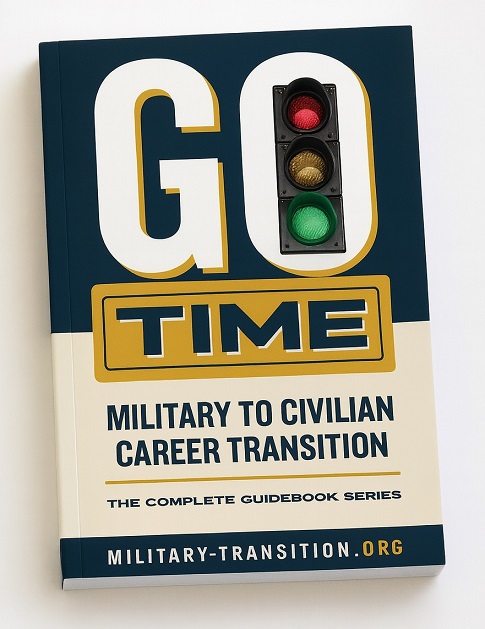
Get a free copy of our transition book